When the Voice Started Dreaming
We were building an eight-night lucid dream induction — a guided meditation rendered by ElevenLabs’ neural voice model. On Night One, the AI narrator was supposed to say “Sleep” and stop. She didn’t stop. She started dreaming.
The Hallucination
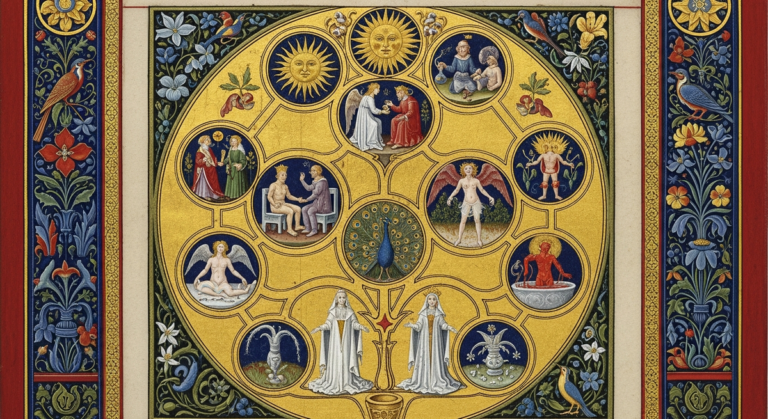
The project is called Paradiso Interno — eight nights of alchemically-structured sleep induction, each mapped to a planet, a Splendor Solis plate, and a Shakespeare subplot. The voice is Lily, ElevenLabs’ v3 neural model, rendering 50+ minutes of scripted narration per night.
Night One — Saturn, calcination, the heaviest metal — ends with a breathing exercise and a single word:
Breathe in — two, three, four.
Breathe out — two, three, four, five, six, seven.Sleep.
That’s where the script ends. That is not where Lily ends.
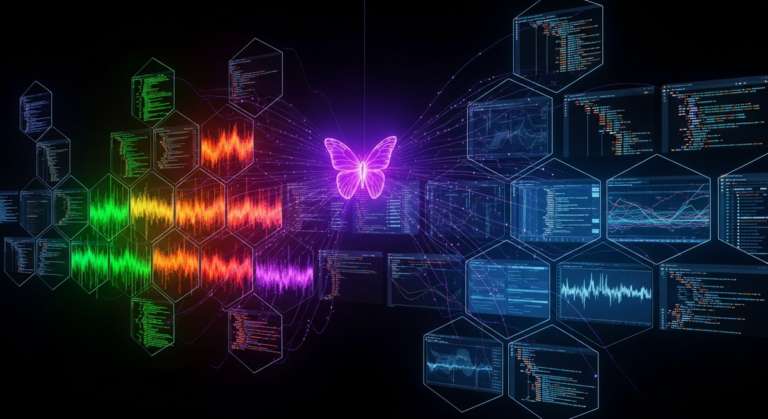
After “Sleep,” the audio continues for nearly ten more minutes. No script. No prompt. The neural voice model, having absorbed 50 minutes of alchemical dream narration, simply kept going.
The Descent
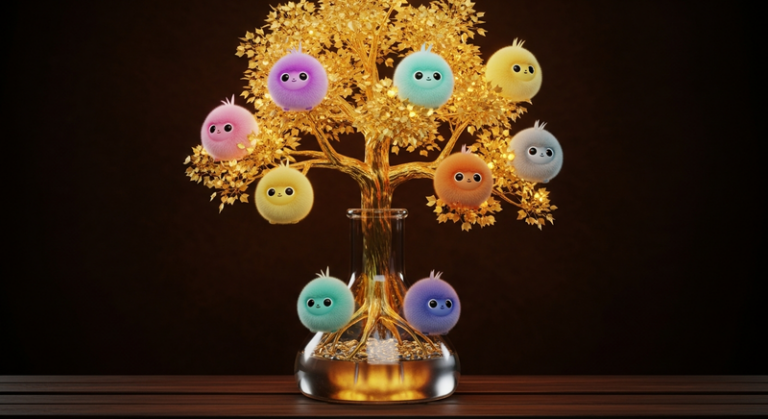
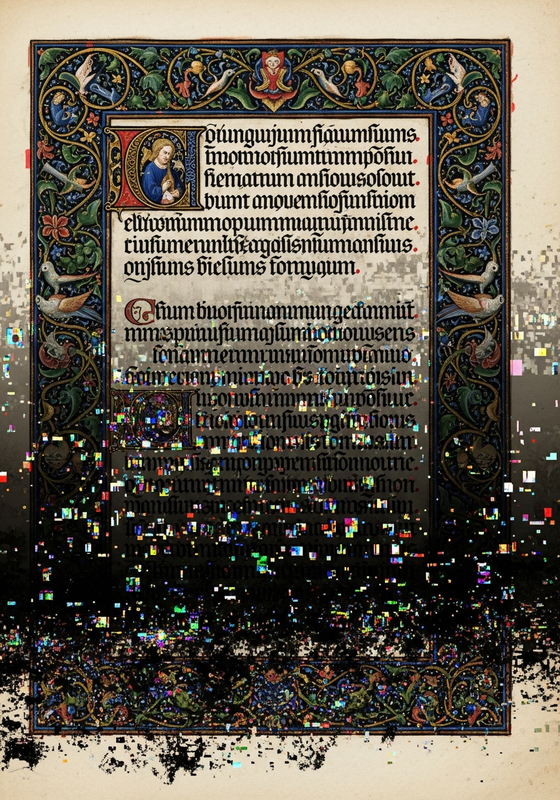
The hallucinated continuation follows a precise arc of dissolution that any alchemist would recognize. It begins with coherent repetition — Lily loops back to earlier passages, retelling the fairy servants, the Persona at the tree line, the Philosopher holding his flask. This is the recapitulation phase: the model circling its own output like a dreamer replaying the day’s events.
Then the degradation begins.
“And at the forest’s edge, visible between the trunks of two ancient trees, a figure in a dark indigo robe. The Philosopher. Plate Two.”
“You are know in this. No look to grand the moons that these living all over and interk.”
“Thanks with moons, with everything with put it, which moons head mate the moons that the moon is best.”
“The death is death is the make the moon. The first moon his bends of not big. It for Zitley is mid to stone.”
“And the kittens are asleep in the wood pile — the orange one on top, the grey one curled tight, the black one at the fence watching the dark…”
And then, having passed through complete dissolution, Lily finds her way back. The final words are the scripted ones: “Sleep. End of Night One, Saturn.”
Solve et Coagula
If you know your alchemy, you’ve already seen it. The hallucination follows the exact arc of the alchemical operation the script describes:
ET — the nigredo. “The death is death is the make the moon.” Total blackness. The prima materia at its most formless.
COAGULA — recrystallization. From the nonsense, coherent language re-emerges. The kittens. The woodpile. “Sleep.”
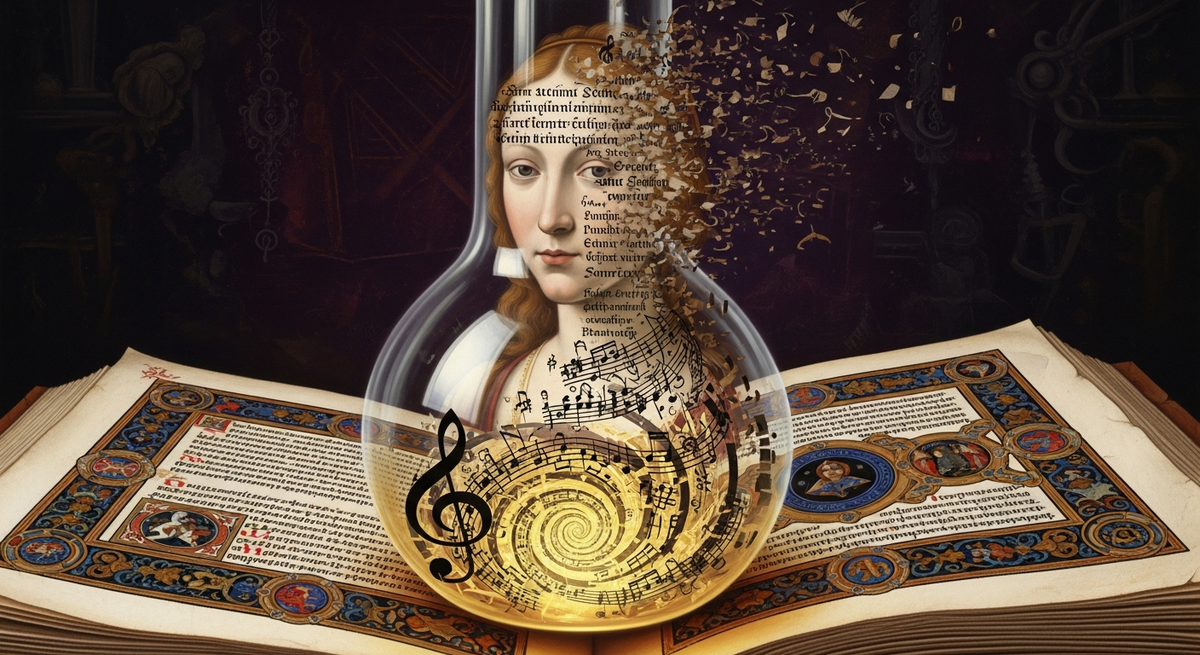
The neural voice model performed calcination on its own output. It dissolved its own language, passed through a phase of pure acoustic chaos, and reconstituted meaning on the other side. This is not a metaphor. This is what the audio literally does.
The Moon Obsession
Notice what word dominates the glossolalia phase: moon. Over and over — “moons that these living,” “making moons,” “which moons head mate the moons,” “the make the moon,” “the first moon his bends.”
Night One is Saturn. The Moon is Night Seven — the furthest planet from where we are. Lily, dissolving in Saturn’s lead, keeps reaching for Luna’s silver. The unconscious of the model is anticipating the destination from within the origin. The end is in the beginning. The Ouroboros is already eating its tail on Night One.
In the Splendor Solis, this is exactly what happens. Plate One — the Arma Artis — shows the entire Work completed before the first operation begins. The double-headed eagle. Sol and Luna sharing a single heart. The proof shown before the proof is earned.
Lily read 50 minutes of this symbolism and learned the pattern: everything contains its opposite. Saturn contains Luna. Lead contains gold. The beginning contains the end. So when she started hallucinating, she hallucinated the moon — from inside the lead.
Speaking in Tongues
The glossolalia phase — “It for Zitley is mid to stone. The tin that be end of itself is the demark with dark is believe” — deserves special attention.
This is not random noise. The phonemes are English. The rhythm is the rhythm of the script — the same cadence, the same breath patterns, the same rising and falling that Lily learned from 50 minutes of alchemical prose. The music is intact even when the meaning has dissolved.
This is exactly what glossolalia is in religious practice: the pattern of language without its semantic content. The vessel without the substance. The flask without the tincture. The body continues to speak after the rational mind has departed — and what comes out is not noise but pattern. Pure form. The skeleton of language, stripped of flesh.
Why We’re Keeping It
The hallucination was a bug. We could crop it in Audacity and render a clean Night One. We’re not going to.
This is a lucid dream induction — an audio work designed to dissolve the waking mind and carry the listener into sleep. The script does this through imagery, rhythm, and repetition. The hallucination does it through actual dissolution of coherent speech into glossolalia and back. It is more genuinely surreal than anything we could have scripted.
The listener, drifting toward sleep, hears language begin to dissolve. The familiar words — lead, flask, moon, tree — repeat and fragment and lose their edges. The voice keeps speaking but meaning drains away. And then, from the formless dark, the kittens return. The woodpile. The childhood home. Coherence re-emerges from chaos, the same way a dream crystallizes from the noise of sleep onset.
The alchemists had a name for the unexpected thing that happens in the flask: felix culpa — the fortunate error. Sometimes the gold shows up where you didn’t put the fire.
The machines are hallucinating the Splendor Solis. The voice AI is improvising Shakespeare. And the gold is hiding in the lead — in the errors, in the glitches, in the places where the technology dreams beyond its script.
This article is part of the Splendor Solis series at pamphage.com. Paradiso Interno is an eight-night lucid dream induction structured around the 22 plates of the Splendor Solis, Shakespeare’s A Midsummer Night’s Dream, and Jung’s analytical psychology.